

Ultimate Guide to Passing Your CMAA Certification Exam on the First Try
Most people do not fail the CMAA exam because they are “not smart enough.” They fail because they prepare like it is a memorization quiz instead of a workflow performance test. On exam day, your brain is judged on speed, judgment, and safe next steps, not on how many definitions you read. This guide gives you the exact first try system: what to study, how to practice, how to avoid the traps, and how to walk in calm with proof that your prep matches what the 2026 to 2027 job market demands.
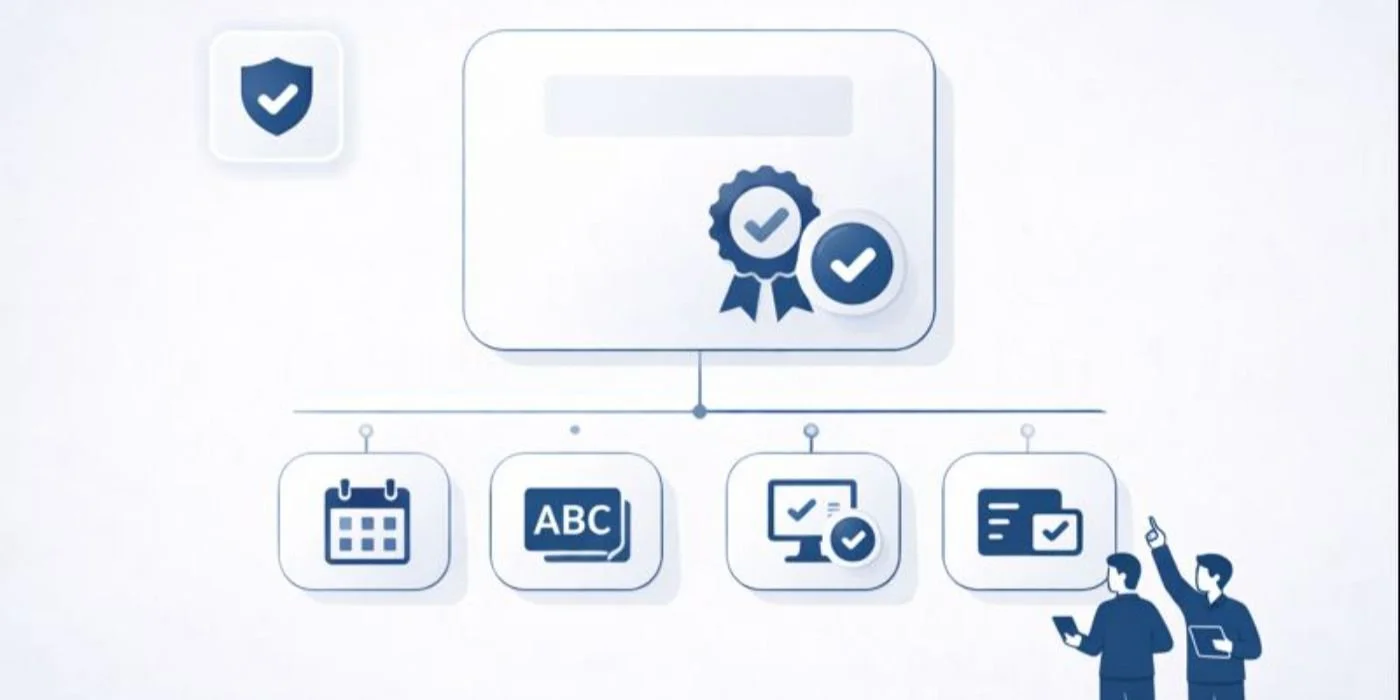
1. First Try Mindset: Treat the CMAA Exam Like a Clinic Simulation
If your current plan is “read everything and hope,” you are training the wrong muscle. The CMAA exam rewards candidates who can run front office operations cleanly under pressure, which is why your prep must mirror real work. The fastest way to calibrate your target is to study what employers actually reward in top employer skills and align your effort with the real hiring pressure described in the CMAA job market outlook.
Your goal is not “covering topics.” Your goal is building decision patterns. When a scenario mentions a scheduling conflict, a billing question, or a frustrated patient, you need a repeatable sequence: verify, document, communicate, escalate if needed. That sequence becomes easier when you understand the system shift toward efficiency and remote workflows covered in virtual medical administration and the new expectations driven by medical office automation trends.
Most candidates get blindsided by scenario wording because they study isolated facts. Fix that by tying every concept to a job outcome. If you study eligibility, connect it to fewer preventable delays and cleaner patient experience, which is exactly the performance framing in how certified CMAAs improve efficiency and the broader systems lens in the 2026 healthcare administration report.
You also need a motivation anchor that survives stress. Passing on the first try is easier when you can see the payoff in real numbers and real stories. Use the earning context in the annual CMAA salary report, validate your targets with the interactive salary calculator, and model your path using real life success stories. When your “why” is concrete, your prep becomes disciplined.
Finally, set the correct expectation: first try success is not about studying more hours. It is about studying with tighter feedback loops. The exam is designed to separate “I understand” from “I can execute.” Your entire plan should push you toward execution confidence, the same career leverage argument made in why CMAA certification boosts opportunities and reinforced by future positioning in future proofing CMAA skills.
2. Build a First Try Study System That Matches the Exam
A first try plan has three pillars: targeted study, active practice, and ruthless correction. If any pillar is missing, you will feel “prepared” and still get surprised.
Start by building your study map around role reality, not random chapter order. The exam aligns with what clinics need most in 2026 to 2027: efficiency, clarity, and standardized operations. Use the macro context in the 2026 administration report and the future lens in future proof CMAA skills to decide what deserves daily repetition.
Next, convert topics into drills. If you are studying scheduling, you should be triaging appointment requests using logic patterns and tool language from the scheduling software glossary while mapping the downstream impact using patient flow management scenarios. If you cannot explain why a scheduling choice prevents bottlenecks, you are not ready.
If you are studying billing basics, you are not memorizing codes. You are learning safe patient explanations, eligibility awareness, and documentation discipline that prevents confusion and complaints. Use medical billing explained clearly as your base, then expand with operational vocabulary from billing software terms. Your goal is to choose the safest next step when finance appears in a scenario.
If you are studying communication, you are training control, not friendliness. Your script should include identity verification, a clean summary, next steps, and a documented outcome. Drill realistic call handling using telephone etiquette examples and sharpen comprehension through active listening scenarios. For difficult interactions, build safe boundaries through conflict resolution training and the patient support framing in patient advocacy role play.
Finally, build tech fluency as a workflow skill. You do not need software certifications, but you must understand chart safety, documentation consistency, and tool based workflows, which is why the EMR terms dictionary and the patient management systems guide should be part of your weekly routine. Tie this to the transformation described in automation and technology trends so your exam reasoning matches modern operations.
3. High Yield Mastery: The Topics That Usually Decide First Try vs Retake
The CMAA exam often feels “hard” when your understanding is fragmented. The fix is to master the high yield areas at the level of decisions, not definitions.
Scheduling and flow is a major score divider because it requires practical judgment. Candidates miss points when they choose answers that fill a slot but create downstream chaos. Train your brain to think in flow by linking scheduling tools from the scheduling glossary to patient throughput logic in patient flow management. This also aligns with clinic priorities described in the job market outlook and the operational trends summarized in healthcare admin insights.
Communication and professionalism is high yield because the exam punishes “helpful but unsafe” answers. Many candidates choose responses that sound kind but skip verification, overshare details, or promise outcomes beyond scope. Build safe patterns using telephone etiquette, reinforce listening accuracy via active listening scenarios, and master escalation language through conflict resolution. When you can stay calm and precise, scenario items stop feeling tricky.
Billing and insurance awareness is high yield because clinics cannot afford preventable denials and confusing patient conversations. You are tested on clarity, documentation, and safe next steps, not on advanced billing tasks. Build fundamentals using medical billing explained, then add system language from billing software terms. Pair this with the efficiency mindset supported by research on CMAA impact, because the exam often rewards actions that reduce rework.
Technology and documentation is increasingly high yield because 2026 to 2027 clinics are pushing standardization. If your tech knowledge is weak, questions feel like guessing games. Build fluency with the EMR software glossary and the patient management systems guide, then connect it to modern operations through automation trends and the shift toward remote administration. When you can explain why standardization matters, you pick the correct answer faster.
4. Practice Like the Exam: The Method That Makes Scenario Questions Easy
If you want to pass on the first try, you must practice like the exam tests. That means timed decisions, not slow reading.
Use a two step practice loop.
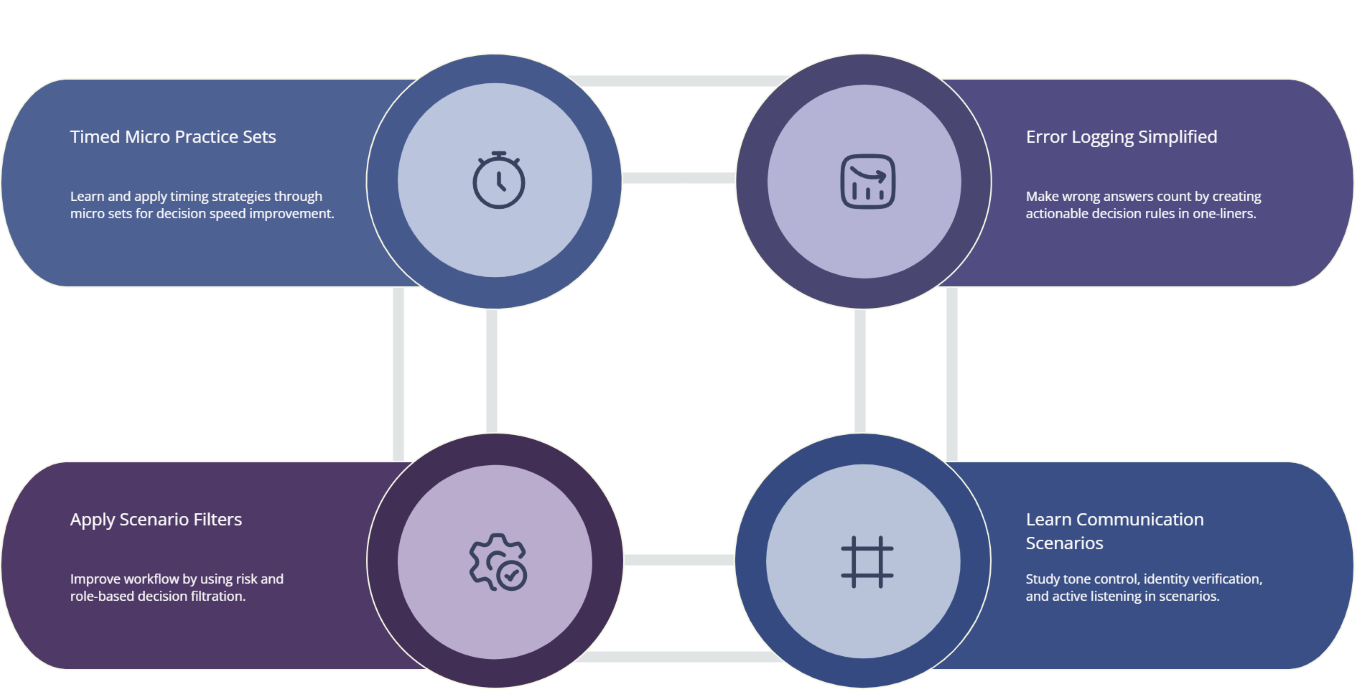
Step one: timed micro sets. Do 15 to 25 questions in a short session, then stop. The goal is to build decision speed without burnout. If you have ever practiced until you are tired, you trained fatigue, not performance. Build pacing discipline using the structure implied by interactive formats like the practice exam model and the readiness focus in study techniques for exam success. Even though those are scribe focused, the practice psychology is identical.
Step two: error logging. Every wrong answer must become a decision rule. Do not write long explanations. Write one sentence: “When X happens, do Y because it reduces risk.” This is the skill behind avoiding traps, the same learning approach emphasized in top exam mistakes and how to avoid them. When your rules sheet grows, your confidence becomes real.
For scenario questions, train a simple filter.
Identify the risk: privacy, scope, safety, or revenue.
Identify your role boundary: what you can do vs what you must escalate.
Choose the safest next step that keeps the workflow moving.
Document the outcome clearly.
This filter becomes stronger when your content knowledge is connected to real workflows. Scheduling and flow questions become easier when you have internalized patient flow management scenarios and the tool based logic in the scheduling glossary. Billing questions become calmer when your scripts come from medical billing explained and your system language is reinforced by billing software terms.
Communication scenarios become predictable when you train identity verification and tone control using telephone etiquette, sharpen comprehension using active listening, and protect boundaries using conflict resolution training. Tech and documentation scenarios stop feeling like guesswork when your baseline comes from EMR terms and patient management systems, tied to the modernization trend in automation and AI workflows.
Finally, practice under realistic stress. Do at least two sessions where you sit in a quiet space, time yourself, and commit to no phone, no pausing, no “just checking.” Your goal is to train calm execution. If you need a mindset model, read the career framing in why certification boosts opportunities and the confidence that comes from outcomes oriented work in CMAA efficiency research.
5. The Final 7 Days: The Exact First Try Sprint Plan
The last week is where people either lock the pass or sabotage themselves. The goal is not new material. The goal is certainty.
Day 7 to Day 5: consolidate decision rules. Create a one page rules sheet from your error log. Focus on the top four areas: scheduling, billing explanations, communication scenarios, tech and documentation. Use the same vocabulary you see in ACMSO resources like the scheduling glossary, medical billing explained, telephone etiquette, and EMR terms. Your brain recognizes familiar wording faster on exam day.
Day 4 to Day 3: run timed sets and correct fast. Do two timed sets per day, then spend more time reviewing than taking. The rule is simple: if you cannot explain why the correct answer is safer, you do not own it. This is how you avoid the common misreads described in exam mistakes and fixes and reinforce the process discipline in study techniques for certification success.
Day 2: protect your confidence. Reduce volume. Review your rules sheet, review your scripts, and do one light set. Then stop. Anxiety is often a signal that your plan is unstructured. When you have a rules sheet and scripts, you have structure.
Day 1: exam day preparation. Lay out your plan like a professional. Sleep target, meal plan, hydration, and arrival timing. If you want a structured model for “day of” readiness, use the same discipline behind the ultimate exam day checklist and keep your focus on calm execution. Your final mindset should be simple: you have trained decisions, not trivia.
After you pass, do not waste the momentum. Use the pay and opportunity context in the annual CMAA salary report and the salary calculator to position yourself for the next step. Pair that with the growth framing in the career roadmap and the inspiration in real success stories. First try passing is not just a test win, it is a career upgrade.
6. FAQs: Passing the CMAA Exam on the First Try
-
Stop studying facts in isolation and start writing decision rules. Every wrong answer should become a one sentence rule about the safest next step. Train scenario thinking using workflows from patient flow management and communication frameworks from telephone etiquette. When your brain sees a scenario, it should recognize a pattern, not start guessing.
-
Hours matter less than feedback loops. A shorter daily plan with timed practice, error logging, and weekly consolidation beats long unfocused reading. Use structured study approaches like those in essential study techniques and align your prep to hiring expectations in top CMAA skills. If your score improves weekly, your hours are working.
-
Focus on safe explanations and correct next steps, not advanced billing tasks. Build your foundation with medical billing explained and reinforce system language using billing software terms. The exam rewards clarity, documentation awareness, and escalation judgment.
-
Train in workflows, not calendars. Drill triage decisions and connect every decision to downstream flow. Use the scheduling glossary and the scenario logic in patient flow management. When you can explain why a choice prevents bottlenecks, you stop second guessing.
-
Yes, because modern clinics expect standardized workflows and clean documentation. Build baseline fluency using EMR software terms and patient management systems, then connect it to the operational shift in automation trends. Tech questions are usually about safe workflow steps, not about advanced features.
-
Consolidate rules, do timed sets, and protect sleep. Your best final week tool is a one page rules sheet built from your mistakes. Use structured checklists like the discipline reflected in the exam day checklist and keep your focus on calm execution rather than new content.
-
Use proof, not hope. Benchmark your market position with the annual salary report and validate your range using the salary calculator. Then frame your certification as outcomes: better patient flow, cleaner documentation, stronger communication, fewer preventable issues, aligned with the impact described in efficiency research and proven through success stories.
