

Interactive Report: How Medical Scribes Reduce Physician Burnout
Physician burnout is not a vague wellness problem. It is a measurable operations failure. When documentation spills into nights, inbox work expands, and chart quality slips, clinicians lose time, focus, and emotional bandwidth. Medical scribes reduce burnout by taking pressure off the documentation system, tightening visit flow, and improving note consistency. This interactive style report shows exactly where burnout comes from, how scribes reduce it, and what to track so you can prove outcomes with data and not opinions.
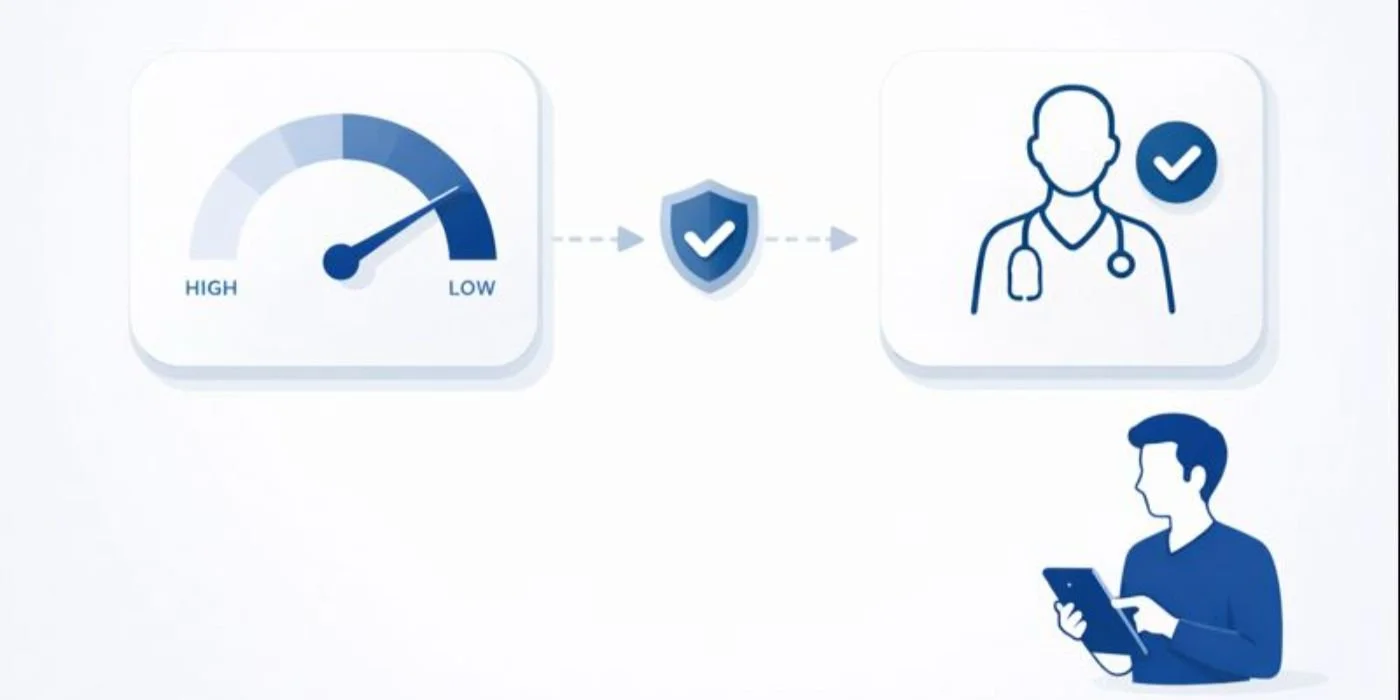
1) Burnout in 2026-27: The Real Drivers Clinics Keep Underestimating
Burnout usually gets blamed on “long hours,” but the most damaging pressure is uncontrolled work outside the visit. Documentation load expands because templates are inconsistent, visit flow is messy, and inbox tasks multiply. If your clinic is still trying to fix burnout with “time management tips,” you are treating symptoms, not causes. Modern documentation trends show why this is getting worse, not better, in healthcare documentation trends and the workflow shift caused by automation and AI changes.
Here is the operational reality. When notes are delayed, clinicians re-open charts hours later, re-load context, and second guess details. That cognitive reload is exhausting. When documentation quality is inconsistent, coders kick back charts, billing teams ask clarifying questions, and the same clinical work gets reworked. That rework loop burns time and motivation. Scribes break this loop by improving first pass documentation quality, supporting clean workflows, and reducing after-hours charting, which aligns with the efficiency outcomes described in how scribes improve clinical efficiency and the revenue impact thinking in how scribes impact hospital revenue.
Burnout also spikes when clinics are understaffed and demand rises. That demand pressure is visible in job market patterns across specialties in scribe job growth by specialty and broader market signals in the medical scribe job market outlook. When volume increases, small documentation delays become major bottlenecks. Scribes help stabilize that bottleneck by absorbing documentation tasks that do not require physician-level decision making.
One more factor clinics miss is technology friction. EMR workflows that are not standardized create extra clicks, duplicated fields, and frequent corrections. The result is not just wasted time. It is constant irritation and cognitive switching. If you want to understand where friction is hiding, review the practical workflows in EMR terms and walkthroughs and the operational flow patterns in patient management systems. Scribes often become the “workflow glue” that keeps documentation clean even when systems are messy.
Finally, burnout becomes inevitable when expectations shift faster than staffing models. Telehealth and hybrid care create new documentation patterns, new messaging volumes, and new handoff points. That shift is detailed in remote scribing trends and the growth picture in remote scribe market reports. If your clinic has more digital touchpoints but the same documentation process, clinicians absorb the overflow.
2) The Metrics That Prove Burnout Reduction (Not Just “Better Vibes”)
If you want leadership to fund scribes long term, you must prove impact in numbers that matter to clinicians and operations. That starts with baseline measurement. Pick a small set of KPIs you can actually track without adding more admin work. Then tie those KPIs to physician time, documentation quality, and downstream rework. For benchmark thinking, study how ACMSO frames measurable outcomes in the annual documentation accuracy report and the macro context in healthcare documentation trends.
The first KPI group is time. Track time-to-close, same-day closure percent, and after-hours closures. These are direct burnout proxies. If the clinic runs a hybrid model, include a remote workflow metric aligned with remote documentation transformation and the adoption patterns in the remote market report. Burnout rises when work spills past the day. If scribes reduce spillover, it shows here first.
The second KPI group is quality and rework. Track coder query rates, provider edit minutes per note, and note completeness audits. These matter because rework is where clinicians lose morale. Every coder query is a second job. Every heavy edit session is time stolen from recovery. This is why quality framing matters in how scribes improve efficiency and why specialty patterns matter in job demand by specialty.
The third KPI group is flow. Track visit start on time rate, provider overtime frequency, and session throughput without overtime. Flow is where burnout becomes visible. When sessions end late, clinicians do not recover. When flow is smooth, the day feels manageable. Flow optimization connects tightly with operational definitions in patient flow management and system workflows in patient management systems. Scribes can support flow by preparing charts, capturing documentation in real time, and reducing post-visit clean up work.
The fourth KPI group is clinician experience. You can track a short monthly pulse that asks about after-hours charting, documentation stress, and inbox overload. Keep it short. Burnout measurement is only useful if it is easy. If you want a market lens for why this matters now, combine the demand signals in medical scribe job market outlook with the tech shift described in AI reshaping the role.
The main point is simple. Scribe impact becomes undeniable when you show reduced after-hours work, reduced rework, and smoother flow. Those are the operational roots of burnout.
3) The Mechanisms: How Scribes Reduce Burnout in Real Clinics
Scribes reduce burnout by removing tasks that do not require physician-level judgment. That sounds obvious, but the real mechanism is deeper. Scribes stabilize the documentation system so clinicians spend less time fighting tools, reconstructing context, and correcting downstream problems. That stabilization is why scribes show up repeatedly in efficiency narratives like new research on efficiency and in accuracy framing like documentation accuracy reporting.
Mechanism one is cognitive load reduction. When a scribe captures the narrative in real time, the clinician does not have to re-open the mental file later. That prevents the exhausting context reload that happens in after-hours charting. This aligns with the practical shift toward better documentation workflows in documentation trends and the technology angle in EMR walkthroughs.
Mechanism two is standardization. Inconsistent templates create inconsistent notes. Inconsistent notes create queries and edits. Scribes can help maintain template discipline, macro reuse, and clean note structure. The clinic benefit is fewer corrective cycles. If your clinic is moving toward automation, scribes also help bridge humans and systems by keeping workflows consistent even when technology changes, which mirrors the transition described in medical office automation trends and the broader shift in AI reshaping the role.
Mechanism three is visit flow protection. Burnout rises when visits run late and the day collapses into overtime. Scribes support flow by reducing documentation drag inside the visit and by enabling faster closure after the visit. Flow strategy is easiest to understand through operational concepts in patient flow management and system flow examples in patient management systems.
Mechanism four is safer communication and handoffs. When documentation is clearer, fewer staff need to interrupt clinicians for clarifications. That reduces micro-interruptions that destroy focus and contribute to exhaustion. If you are designing hybrid workflows, tie this to remote operations patterns in remote medical scribing and the real market acceleration in remote market growth.
Mechanism five is measurable revenue protection. This is not the primary goal, but it matters to leadership. Better documentation reduces denials, supports medical necessity, and reduces lost charge capture. When revenue stabilizes, staffing decisions become easier and clinician pressure decreases. For leadership language, connect efficiency to outcomes described in hospital revenue impact analysis and market demand insights from job growth by specialty.
The key takeaway is that scribes reduce burnout by reducing after-hours work, reducing rework, and reducing friction. These are operational levers, not motivational posters.
4) Implementation Playbook: How to Deploy Scribes Without Creating New Problems
Scribes reduce burnout only when the system around them is designed well. Poor implementation creates new friction, unclear scope, and inconsistent workflows. The goal is to make scribes a force multiplier, not another moving part.
Step one: define the scope by workflow, not by vague tasks. Decide what the scribe captures, what the clinician must own, and what gets escalated. This becomes easier when you understand the modern scribe role expectations in essential employer skills for scribes and the role evolution described in AI and automation changes. A good scope definition reduces confusion and improves trust.
Step two: standardize templates and macros before scaling. If every provider uses different note structures, scribes will struggle, edits will rise, and burnout returns. Use process language from EMR terms and walkthroughs and build discipline using tool literacy from top EMR platforms guide. Standardization reduces friction and makes scribe performance consistent across providers.
Step three: train for real-time capture and real-time clarification. Scribes should not guess. They should learn when to prompt and when to document. This reduces note errors and reduces clinician edits. The payoff shows up in quality metrics, which connect to the evidence framing in documentation accuracy reporting and operational outcomes in efficiency research.
Step four: treat remote workflows as a first-class design choice. Many clinics are expanding remote and hybrid documentation support. If you do not design handoffs, task tracking, and communication rules, you create confusion. Use implementation insights from remote medical scribing transformation and market signals from remote market growth reports. Remote can reduce burnout, but only if the workflow is clean.
Step five: build a scorecard and publish wins. Leadership funds what it can measure. Use the table KPIs above as a starting set, then build a monthly dashboard that shows time saved, rework reduced, and flow stabilized. If you want a broader industry framing for how to present data, use the reporting approach in employment report trends and the regional demand context in job market analysis nationwide. When impact is visible, buy-in becomes easier.
This is how you avoid the common failure mode. Clinics hire scribes, but they do not fix workflows. Then the scribe role becomes chaotic and clinician frustration remains. A designed system creates real relief.

5) Career and Workforce Impact: Why Burnout Reduction Creates Better Jobs and Better Teams
Burnout reduction is not only a clinician outcome. It shapes hiring, retention, and career paths. When documentation burden drops, clinics stabilize scheduling, improve patient experience, and reduce turnover. That stability changes how teams operate and how roles grow. Market signals show rising demand and new models in top remote scribe employers and opportunity mapping in top cities hiring scribes.
For medical scribes, burnout reduction work is a skill set that transfers into leadership and operations. Scribes who learn KPI tracking, template discipline, and workflow analysis build strong foundations for healthcare management. That pathway is visible in long-term career framing like scribe career pathways and supported by real trajectories in success stories from scribes to professionals. Clinics trust people who can reduce friction.
For CMAAs and administrative teams, the same operational logic applies. When documentation is cleaner, front office teams deal with fewer angry calls, fewer billing confusions, and fewer follow-up loops. That reduces team burnout too. The industry expectation for tech fluency and workflow maturity is rising, which is why future skill planning matters in future proof CMAA skills and why automation readiness matters in medical office automation trends. Clean documentation improves the entire system.
One important reality is that the “scribe plus AI” model is becoming normal. Ambient tools may reduce some typing, but they do not automatically solve note structure, medical necessity phrasing, or workflow integration. Scribes who understand tooling become the bridge between clinicians and technology, which aligns with the market direction described in AI reshaping scribe workflows and the broader technology context in documentation trends.
If you are building a workforce strategy, combine demand signals in job market outlook with geographic opportunity insights in best cities for scribe careers. Clinics that reduce burnout attract better talent. Better talent reinforces better workflows. This becomes a flywheel.
6) FAQs: Medical Scribes and Physician Burnout
-
They reduce after-hours charting by capturing documentation in real time and improving note completeness. This prevents context reload and reduces correction cycles. Track impact using patterns from documentation accuracy reporting and validate workflow benefits using evidence framing in clinical efficiency research. When notes close faster, recovery time returns.
-
Use operational proxies: same-day note closure, median time to sign, provider edit minutes per note, coder query rate, and overtime frequency. These tie directly to workload spillover and rework. Align your measurement approach with the systems lens in documentation trends and workflow definitions in EMR terms walkthroughs.
-
Yes, because dictation does not guarantee structure, completeness, medical necessity phrasing, or clean workflow integration. Scribes add operational discipline and reduce rework loops that drive burnout. This role evolution is captured in AI reshaping the scribe role and the broader environment in healthcare documentation trends.
-
Hiring scribes without standardizing templates and workflows. When every provider documents differently, scribes struggle, edits increase, and frustration grows. Fix this by using consistent EMR workflows from EMR terms and walkthroughs and building system clarity with examples in patient management systems. Standardization is the foundation.
-
Remote scribes can reduce burnout if handoffs, communication rules, and task tracking are designed clearly. If remote work is messy, it creates confusion and delays. Use workflow design insights from remote scribing transformation and market maturity signals from remote market growth reports. Remote works when the process is clean.
-
Specialties with heavy documentation complexity, high visit volume, or procedure documentation often show strong impact because rework is expensive and time is tight. Use demand patterns in job growth by specialty to identify where staffing and workflow pressure is highest. Then measure with time-to-close and edit-minutes trends.
-
Frame it as time returned, rework reduced, and flow stabilized. Connect burnout reduction to measurable operations and revenue stability. Use the revenue language in hospital revenue impact analysis and back it with performance measures aligned with efficiency research. Leaders fund what they can measure and repeat.
